A well-built wine collection rarely stands still. Drinking preferences change, bottles approach maturity and new releases compete for limited cellar space.
Selling selected wines can create room for the next stage of your collection, provide funds for new purchases or prevent mature bottles from being held beyond their best drinking years.
The challenge is knowing what the wine is worth, where to sell it and whether the likely return justifies the effort.
What Does Vintage Mean for Wine?
A wine’s vintage is the year in which the grapes were harvested.
Vintage does not mean that a wine is old. A newly released 2025 Pinot Noir is still a vintage wine because it carries the year of harvest. In the secondary market, however, the term “vintage wine” is often used more broadly to describe mature, back-vintage or hard-to-find bottles.
Non-vintage wines, most commonly Champagne and sparkling wine, may combine wine from several harvests to maintain a consistent house style.
Does Older Wine Always Have More Value?
Age alone does not make a wine valuable.
The strongest secondary-market demand is generally reserved for recognised producers, highly regarded vintages and wines with a proven ability to improve in bottle. A twenty-year-old wine from an unknown producer may have little resale demand, while a recent release from a tightly allocated producer may already command a premium.
A wine must also have been stored correctly. Buyers will pay more confidently for a bottle with clear, professional provenance than for one with an uncertain storage history.
Why Do Collectors Sell Vintage Wine?
Most collectors sell for practical reasons.
A cellar may have become too large, drinking preferences may have shifted, or certain wines may be approaching the end of their ideal drinking window. Some collectors sell mature bottles to fund new releases, while others may be downsizing or managing a deceased estate.
Selling does not need to mean dismantling an entire collection. Regularly reviewing and rebalancing a cellar can improve both its value and its drinkability.
What Determines the Value of Vintage Wine?
The price shown on the label when the wine was first purchased has little bearing on its current market value. Resale pricing is driven by several factors.
1. Producer and Market Demand
The producer and wine label usually have the greatest influence on value.
Established secondary-market wines such as Penfolds Grange, leading Burgundy, mature Australian Shiraz and highly allocated small-production wines tend to attract the broadest collector interest.
Reputation alone is not enough. A wine must also have active buyers at the time it is offered.
2. Vintage Reputation and Reviews
Some vintages are more desirable than others.
Growing conditions, critical reviews and the wine’s performance over time can all influence demand. Strong scores may help, but collectors also consider the reputation of the vintage and whether the wine is currently drinking well.
3. Provenance and Storage
Provenance is the documented history of where and how a wine has been stored.
Wine that has remained in professionally managed, temperature-controlled storage presents less risk to the buyer. This is particularly important for mature and valuable bottles, where poor storage may not be obvious until the wine is opened.
A clear storage history can improve buyer confidence and make a wine easier to sell.
4. Bottle Condition
The physical condition of the bottle provides important clues about its storage and preservation.
Key considerations include:
- Ullage: The level of wine remaining in the bottle. Excessive ullage may indicate evaporation or a compromised cork.
- Label condition: Damaged labels may affect presentation and value, particularly for collectible wines.
- Capsule and cork: Signs of seepage, corrosion or a raised capsule can indicate a poor seal.
- Bottle and glass: Cracks, chips or other damage will generally make a bottle unsuitable for sale.
Condition becomes increasingly important as a wine ages.
Drinking Window
A mature wine with years of drinking ahead may be more attractive than one nearing the end of its expected life.
Holding wine for longer does not guarantee a higher price. Once buyers believe a wine is past its best, demand can fall quickly. Reviewing drinking windows regularly can help identify wines that should be enjoyed or sold.
How to Sell Vintage Wine Online
The best selling method depends on the wine, the size of the collection and how much involvement you want in the process.
1. Wine Auction
Auction can suit rare bottles, prestigious labels and collections likely to attract competitive bidding.
The final price, however, remains uncertain. Auction schedules may delay the sale, and commissions can reduce the seller’s return. Less recognised wines may struggle to attract bids or may sell below expectations. The buyers may also be hesitant, not knowing the wines storage provenance.
2. Fixed-Price Wine Marketplace
A specialist marketplace allows wine to remain available until the right buyer is found.
The seller generally has greater control over the asking price, while buyers can purchase immediately rather than waiting for an auction. This can work particularly well for collectors who are prepared to take a realistic view of market value.
The time required to sell will depend on demand and pricing. A bottle listed well above comparable market levels may remain available for an extended period.
3. Direct Sale to a Wine Business
Selling directly to a wine merchant or specialist buyer may provide the fastest result.
The trade-off is price. A business buying wine outright must allow for its own costs, risk and resale margin, so the offer will usually be below the amount that might be achieved through a marketplace or auction.
This option can suit sellers who value speed and certainty over obtaining the highest possible return.
4. Wine Consignment
Consignment places the sale in the hands of a specialist who manages valuation, presentation, marketing and buyer enquiries.
It may suit large, valuable or complex collections. Before consigning, confirm the commission, expected sales period, payment terms and what happens to any unsold bottles.
Selling Individual Bottles or an Entire Collection
Selling individual bottles provides greater control. You can retain favourites, release wines as they mature and choose the most suitable selling method for each bottle. This approach can produce a stronger result for valuable wines, although it may take longer.
Selling an entire collection is often more practical when downsizing, managing an estate or leaving wine collecting altogether. A full cellar assessment can identify which bottles have meaningful resale value and which may be better retained, consumed or grouped into mixed lots.
Not every bottle will justify the cost of individual valuation and sale.
How to Price Vintage Wine
Accurate pricing is one of the most important parts of a successful sale.
Review Comparable Sales
Recent completed sales provide the clearest indication of what buyers have been prepared to pay.
Current retail listings on services such as Wine-Searcher can provide useful context, but advertised prices are not the same as completed secondary-market sales. Retail prices may also include taxes, retailer margins and sourcing costs that do not apply to a private seller.
Account for Condition and Provenance
Two bottles of the same wine and vintage may achieve different prices.
A bottle with excellent condition and documented professional wine storage will generally attract greater buyer confidence than one with damaged presentation or uncertain provenance.
Set a Realistic Asking Price
The highest advertised price is rarely the most useful benchmark.
A realistic listing price should reflect recent market activity, bottle condition, storage history and the likely demand for the wine. Ambitious pricing can leave bottles unsold while stronger opportunities pass.
A good valuation should also consider the seller’s return after fees, rather than focusing only on the advertised sale price.
Transporting Wine After a Sale
Wine remains vulnerable after it leaves the cellar.
Mature bottles should be handled carefully and protected from heat, vibration and prolonged delays. Poor transport can undo years of correct storage in a single afternoon.
Before selling privately, confirm who is responsible for packing, insurance and delivery. Specialist wine transport is strongly recommended for valuable or mature bottles.
How to sell vintage wine online through Wine Ark.
Wine Ark has been storing and managing premium wine collections since 1999.
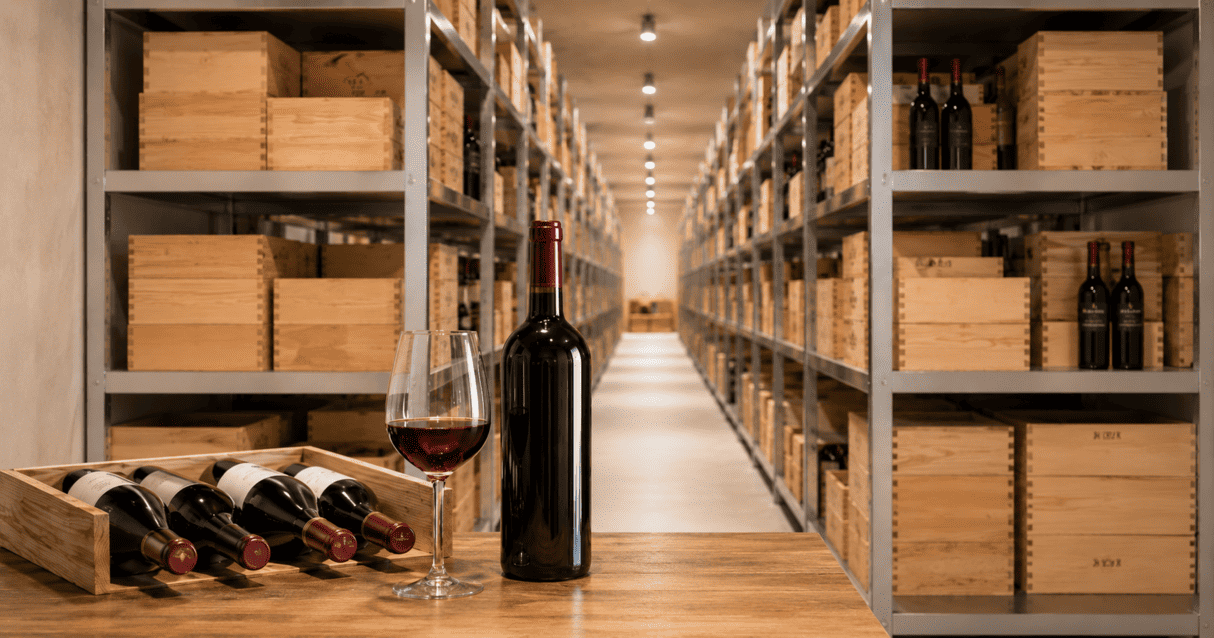
For clients using our Managed Wine Cellarage, every bottle is professionally stored, catalogued and connected to the client portal. This creates a clear record of the wine and its provenance.
Storage clients can select bottles from their collection and list them directly on the Wine Ark Marketplace. Once a buyer is found, Wine Ark manages the transaction, removes the wine from the seller’s cellarage record and arranges dispatch to the buyer. Sale proceeds are paid to the seller less the applicable fee.
This removes the need to photograph bottles at home, manage enquiries, arrange individual deliveries or meet unknown buyers.
For larger collections, deceased estates or clients uncertain about value, the Wine Ark Concierge team can review the cellar and recommend an appropriate pricing and sales strategy.
Collect, sell and preserve your favourite drops with Wine Ark
Whether you are selling one mature bottle or reviewing a cellar accumulated over decades, the first step is understanding what you own and what buyers are currently looking for along with knowing your options, and having the right support when it counts. Whether you’re letting go of a single standout bottle or an entire collection, we’re here to help you do it properly.
Selling on our Marketplace is exclusive to our storage members. Get a quote today to learn how our Managed Cellarage and Private Wine Vaults give you more visibility and control over your collection. Alternatively, browse our listings for Penfolds Grange, Burgundy, Barolo, and more, and discover hard-to-find, unique, and boutique bottles to complete your collection.